

Something Changed. And Nobody Told You About It.
Around 2020, something shifted in the clothing industry. Quietly. Without announcements or press releases.
Brands discovered they could cut fabric weight by 15-20%, shrink sizing patterns to squeeze more pieces from the same roll of cloth, and somehow still charge you 4 to 5 times more than they did five years ago.
The industry has fancy terms for this: shrinkflation (giving you less product for the same price) and greedflation (raising prices way beyond what increased costs would justify).
But here's what it really means for you:
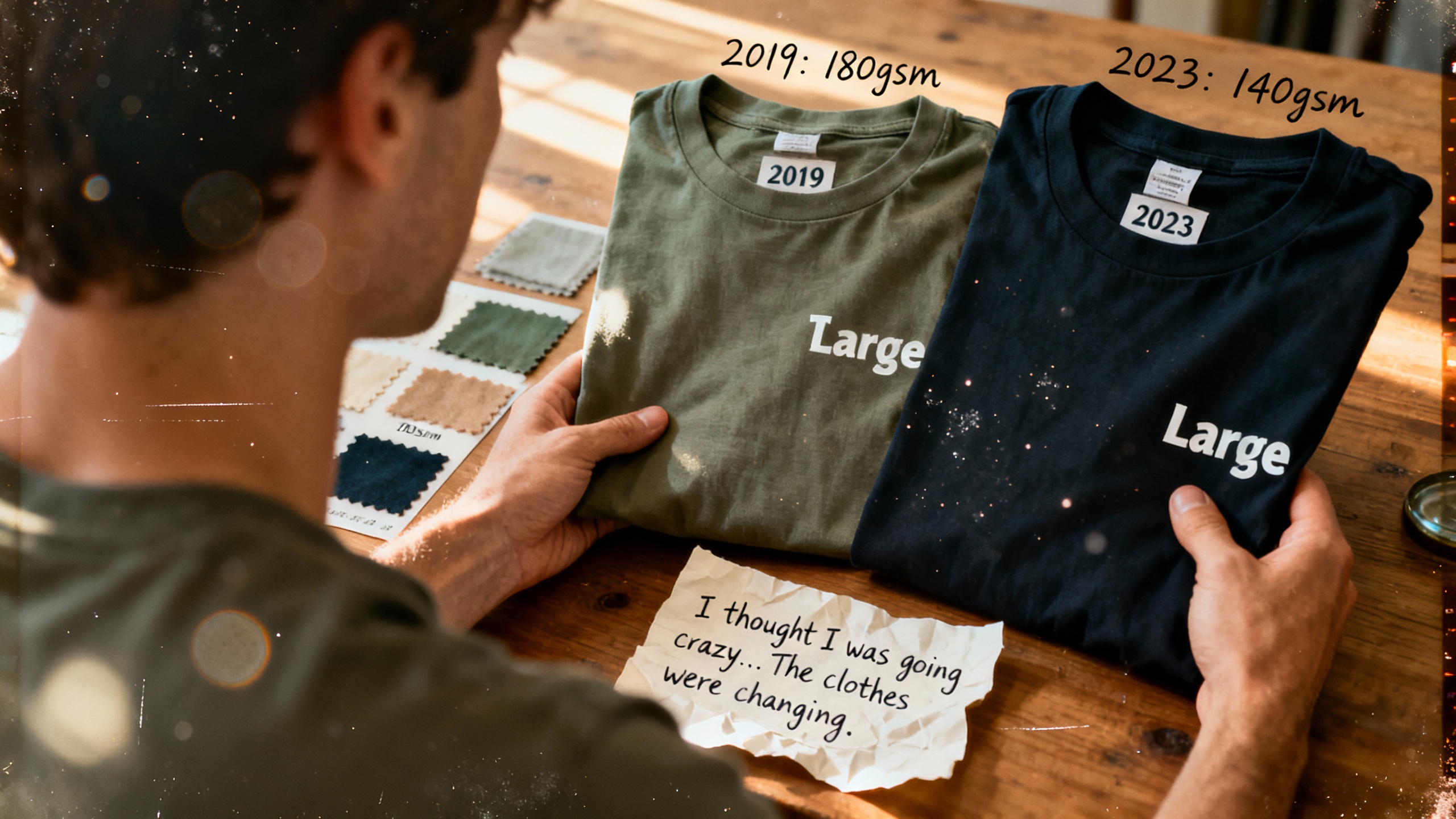
- That "Large" you ordered? It's actually closer to a Medium from 2019
- The fabric weight dropped from 180gsm to 140gsm—but you'd never know unless someone told you
- Those fancy details, extra logos, and trendy colors? They're distracting you from the fact that the actual construction is terrible
- The T-shirt that used to cost $8 and last two years now costs $35 and falls apart in three months
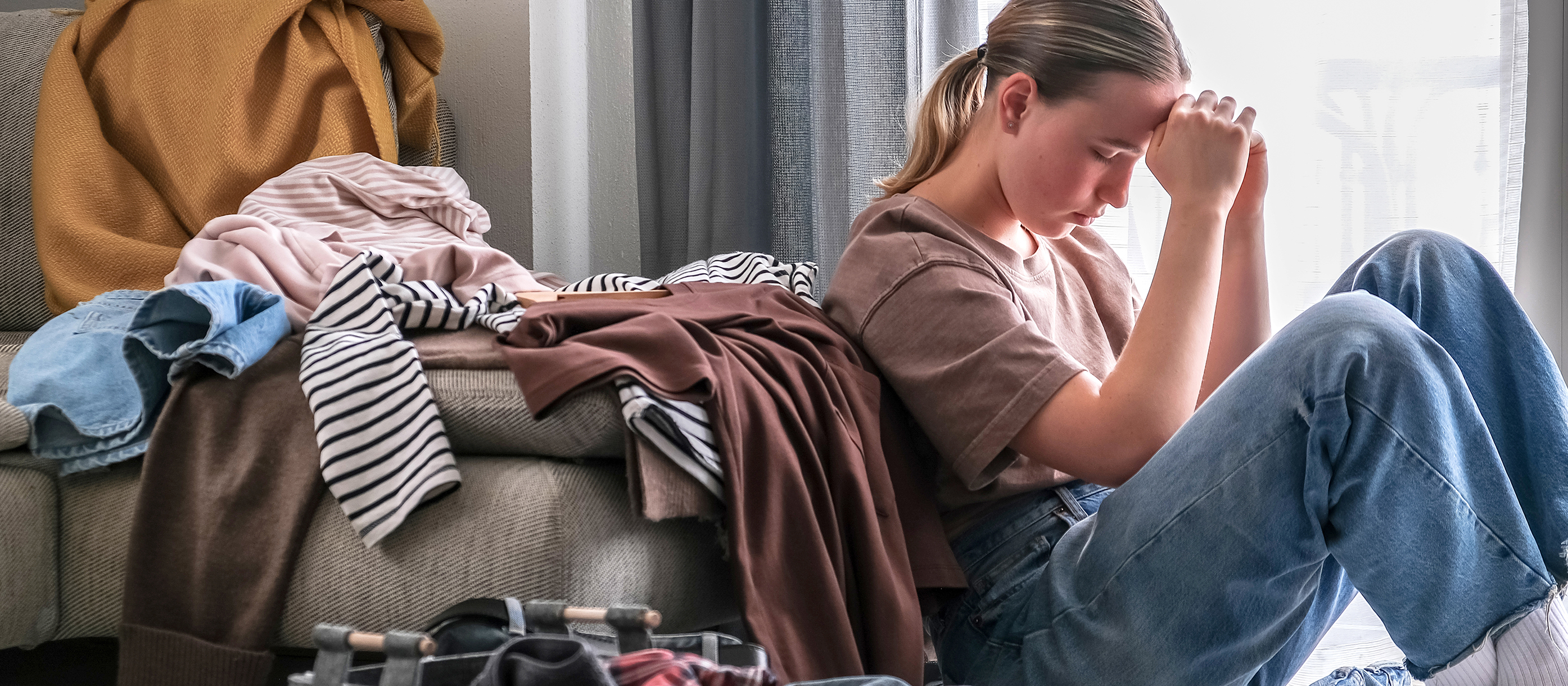
And who gets blamed?
You do.
"Maybe I washed it wrong... maybe I should hand-wash everything... maybe I gained weight... maybe all clothes are just like this now..."
No. The system changed. Not you.
The Illusion of Choice (Or: Why Every Mall Feels the Same)
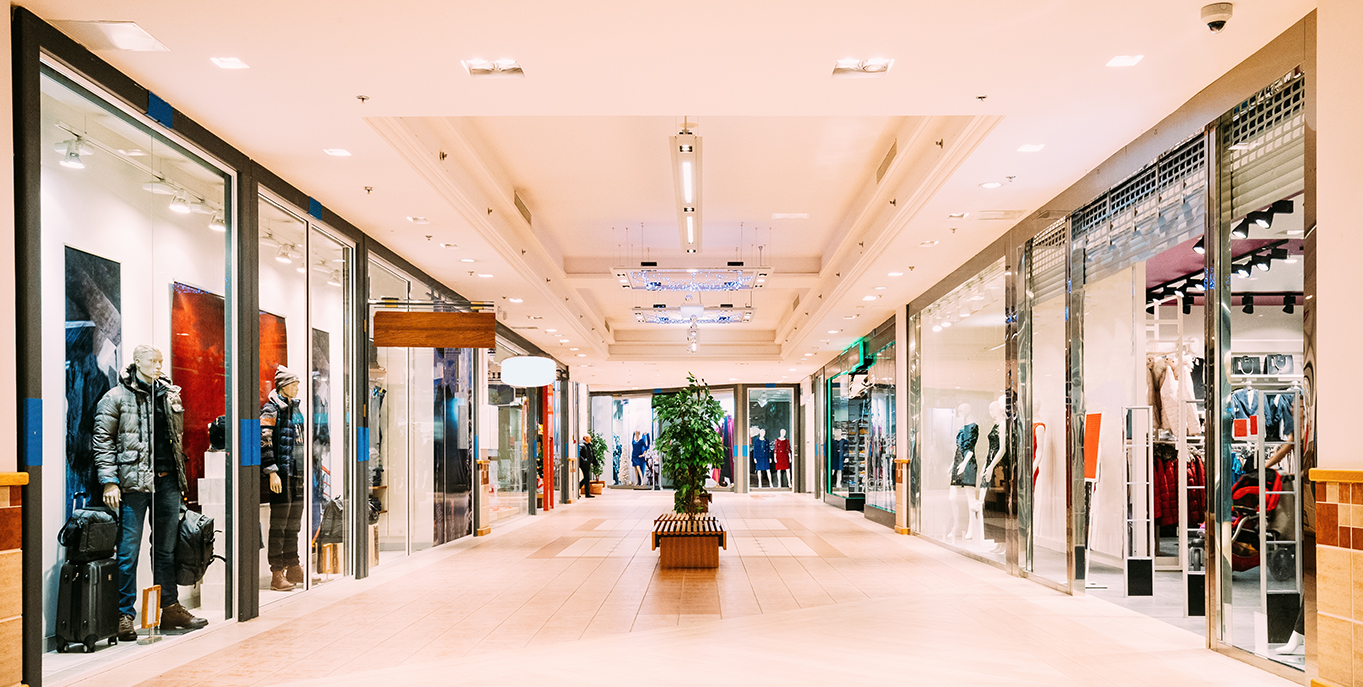
Walk into any shopping mall and count the clothing brands. Ten? Twenty? Fifty?
Now here's the uncomfortable truth: most of them are owned by the same handful of massive corporations.
These conglomerates own dozens of brands, align their pricing strategies, control supply chains, and make it nearly impossible for independent brands to survive. When small brands somehow manage to break through? They get acquired—and usually watered down or shut down entirely.
The "choice" you think you have is largely an illusion. You're picking between different storefronts of the same corporate strategy.
Where does that money go? Not into better fabrics. Not into fair wages for workers. Mostly into marketing, retail overhead, and shareholder profits.
The Environmental Disaster Nobody Wants to Talk About
Let me hit you with some numbers that should make us all uncomfortable:
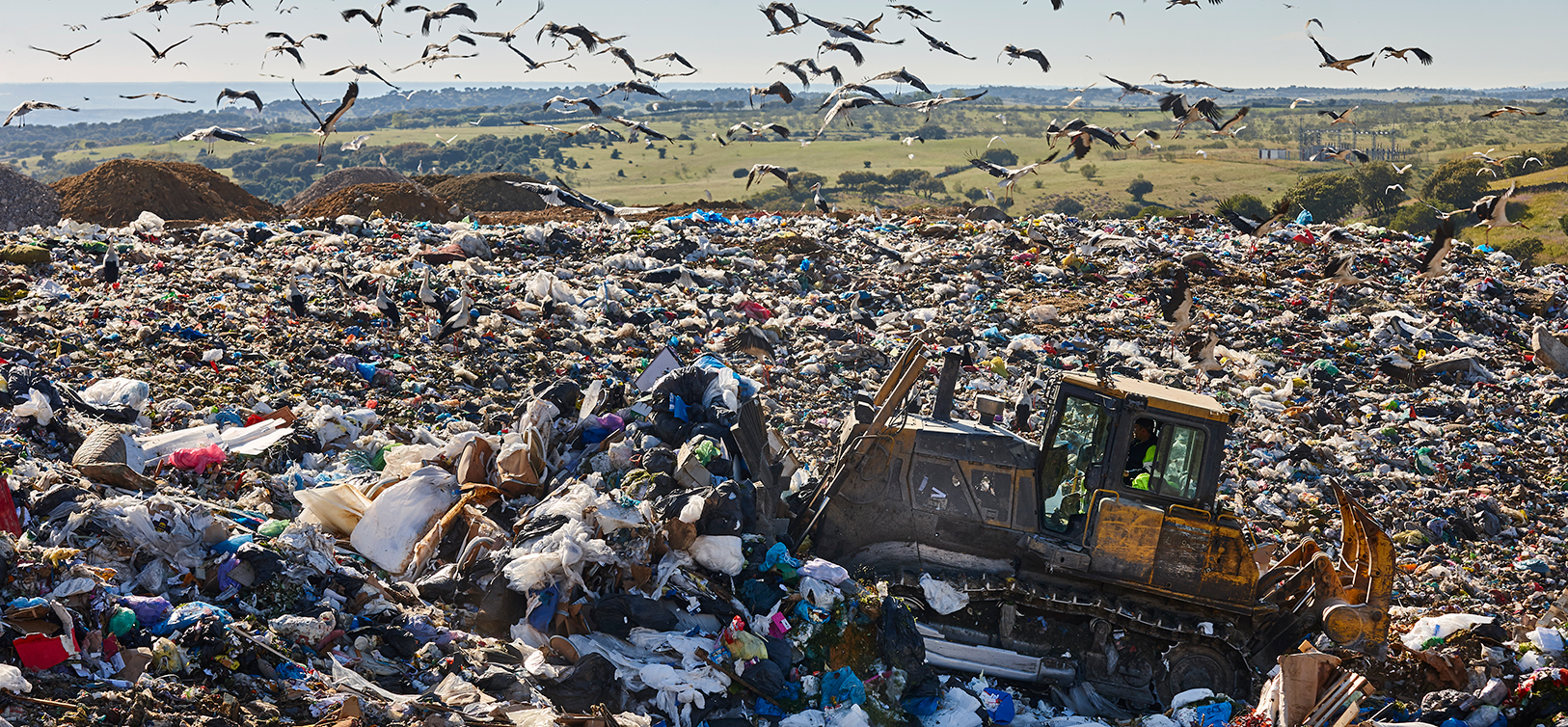
- The fashion industry produces 92 million tonnes of textile waste every single year
- It's responsible for 2-10% of global CO₂ emissions—more than international flights and maritime shipping combined
- 20% of global wastewater comes from textile dyeing and treatment
- The average person throws away 37 kilograms of clothing per year
And here's the cruelest irony: workers in Bangladesh, Vietnam, and Pakistan spend their days producing clothes they could never afford to buy, while earning wages that barely cover rent and food.
Slapping a "sustainable" label on a collection doesn't fix this. Real change requires completely rethinking how we produce, sell, and relate to clothing.
Why Tarsah? A 40-Year-Old Promise.
Tarsah didn't start as a "brand" in 2024. It started as Forman a small family workshop in Egypt, in 1985. the name later changed over the years as business struggled and evolved over time.
We started with men's trousers, and then we focused on making school uniforms and basic clothing for local families. No branding. No marketing. No social media campaigns.
Just one simple promise: Make it well. Make it last.
And families kept coming back. Not because we were trendy or cool. But because our clothes outlived their kids' growth spurts.
I'll never forget the day a grandmother walked into our workshop and said: "I bought uniforms for my daughter from you 25 years ago. She's a mother now. I want the same quality for my granddaughter."
That's the standard we held ourselves to. That's the standard we refuse to abandon.
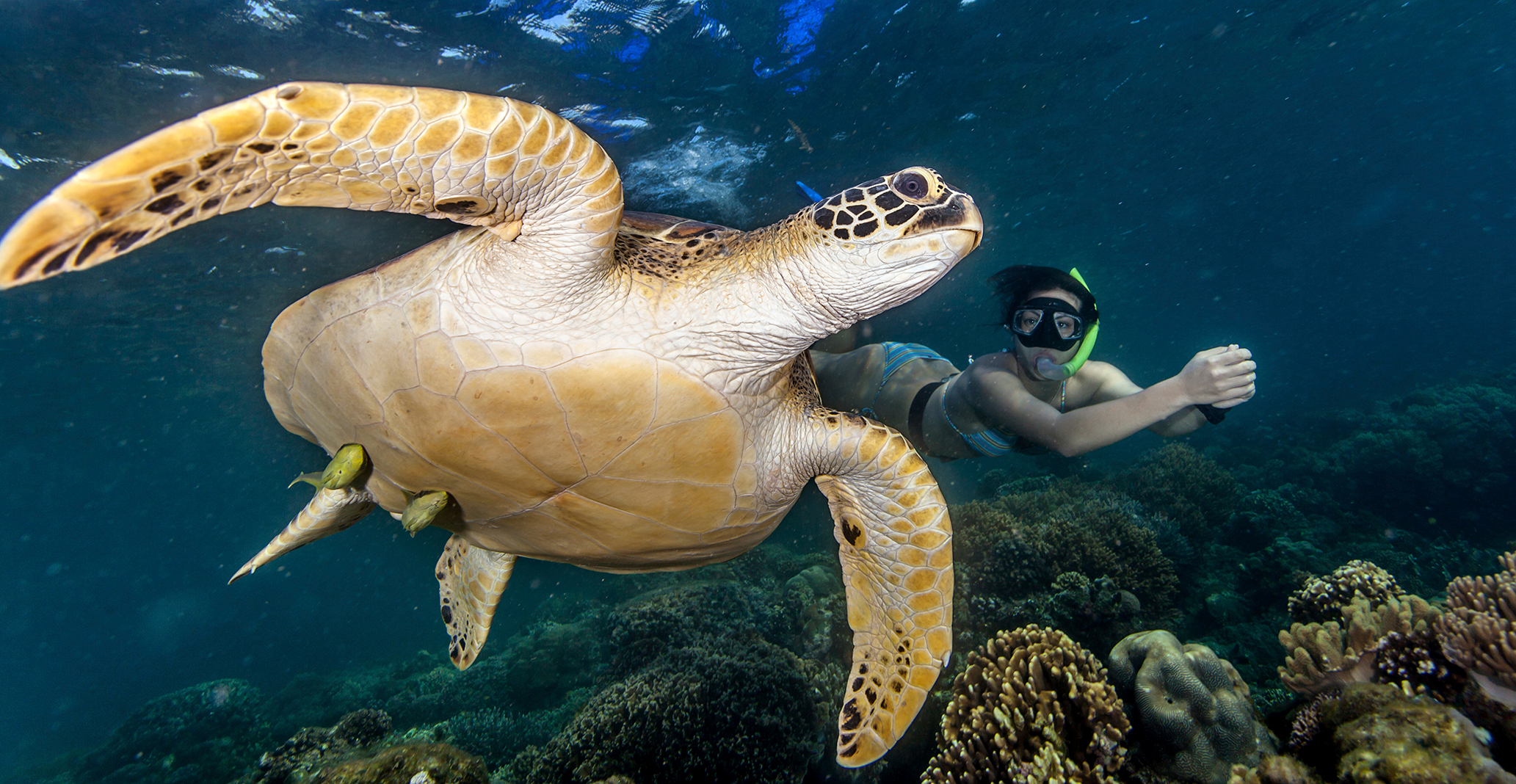
Our name—Tarsah—comes from the Arabic word for the sea turtle that lives in the Red Sea. It's a symbol of longevity, patience, and endurance.
Because that's what clothing should be: something that endures.

What Makes Tarsah Different? (No Marketing Fluff—Just Facts)
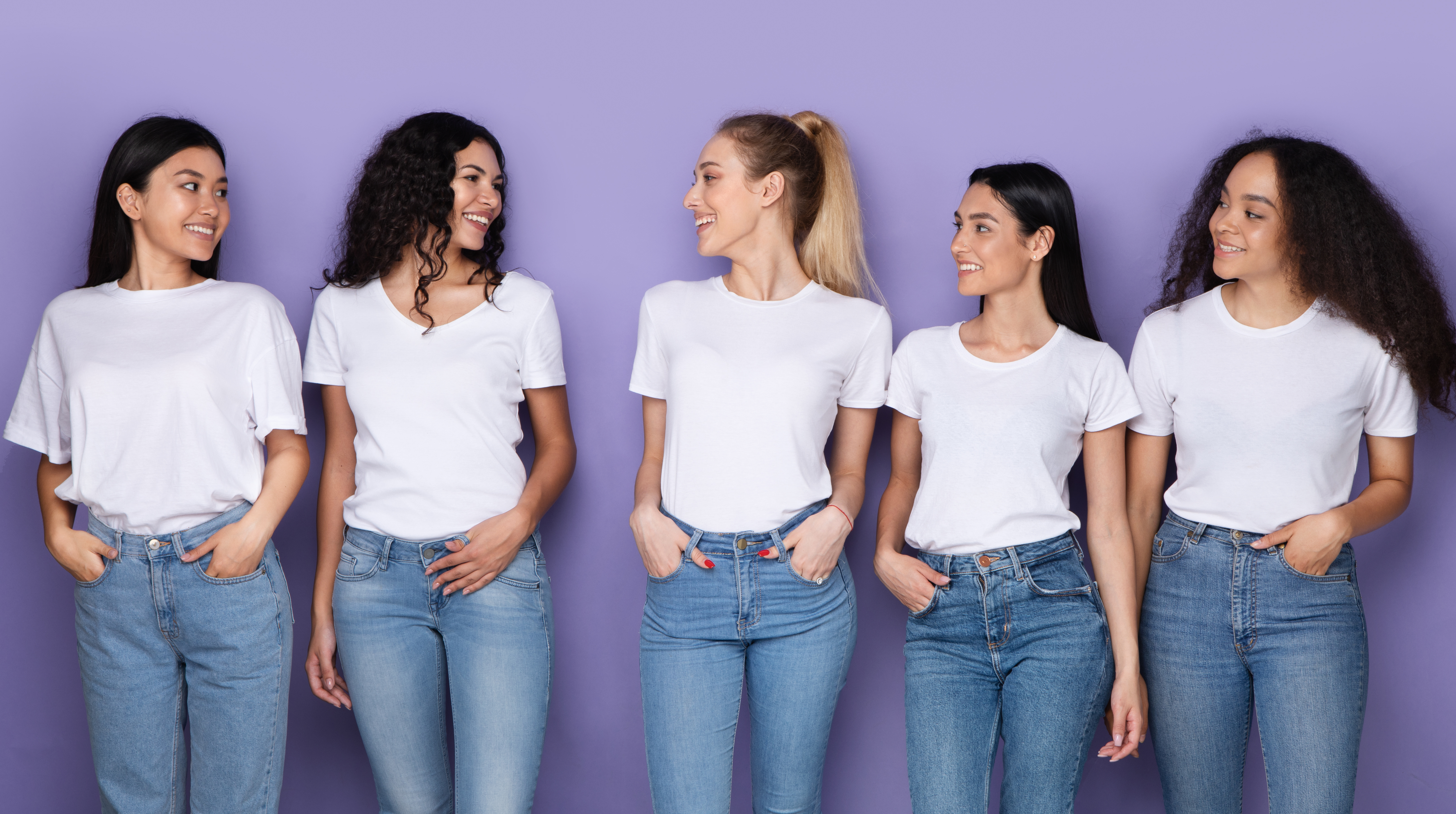
1. We only make essentials. Nothing else.
No seasonal collections. No "limited drops." No artificial scarcity. We make five things:
- T-shirts
- Sweatshirts
- Hoodies
- Sweatpants
- Underwear
When a color or size sells out, we don't invent a new trend to distract you. We restock the same high-quality essential.
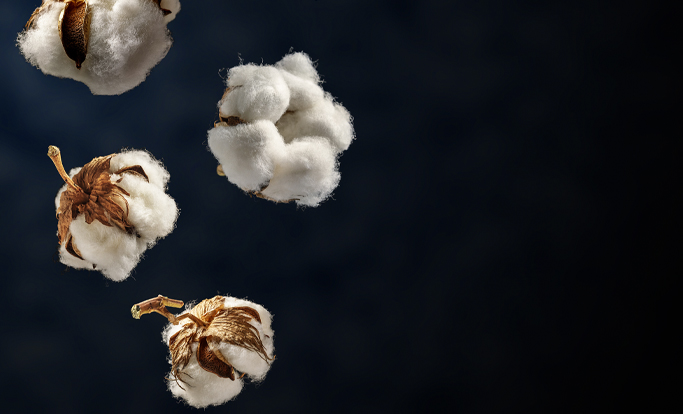
2. 100% cotton. No polyester. Ever.
Polyester is plastic. Every time you wash polyester clothing, it sheds microplastics into waterways and eventually into the food chain.
We use long-staple, high-count cotton—the kind that breathes, lasts, and doesn't fall apart. And we're completely transparent: if our cotton isn't certified organic (which is less than 5% of global cotton supply), we won't pretend it is.
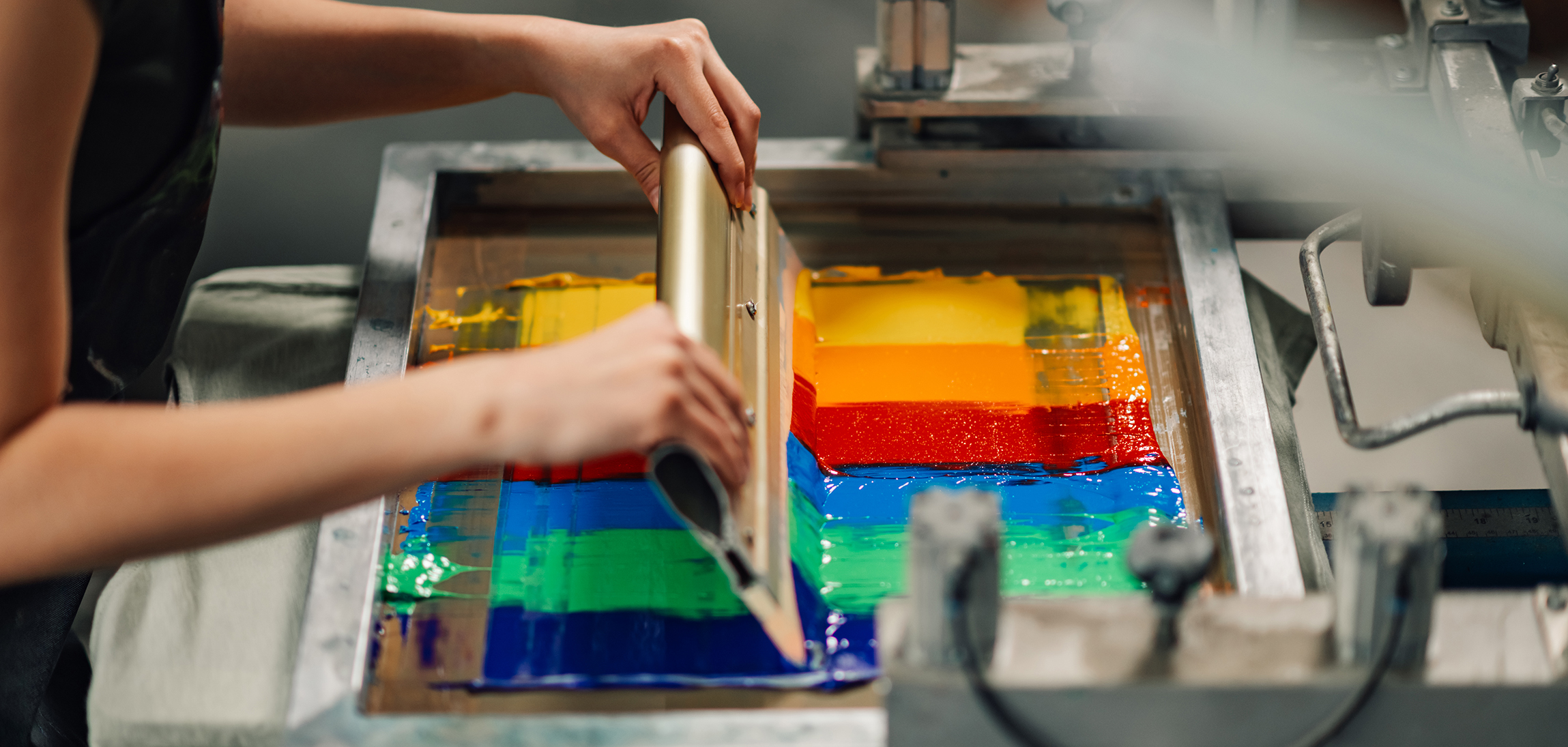
3. Fair manufacturing. Human working conditions.
Right now, we work with mid-sized manufacturers who follow strong ethical standards. But our future vision is bolder:
We want to build micro-factories next to every Tarsah store—small-scale production centers where:
- Workers earn fair wages
- Shifts are 6 hours a day, 4 days a week
- Craftsmanship is valued
- Production meets real demand, not arbitrary quarterly targets
This isn't a fantasy. It's a plan. And we're building toward it.
4. We give back.
We support nonprofits focused on humanity, animal welfare, and environmental protection. Not as a marketing angle—as a core value.
When you buy from Tarsah, here's what you're getting:
- A T-shirt that will still look good after 50 washes
- Honest pricing that reflects real material costs and fair labor—not 50x markups
- Clothing that doesn't shrink, fade, or fall apart in three months
- No pressure to "keep up" with trends or buy new collections every season
- A brand that's transparent about where materials come from and how products are made
We're not trying to compete with fast fashion. We're trying to replace it with something better. Something human. Something that lasts.
You deserve basics that last.
You deserve honesty about what you're buying.
You deserve prices that make sense.
And you deserve brands that respect your wallet, your family, and your planet.
That's why Tarsah exists.
Not to sell you more stuff. But to sell you better stuff. Stuff that lasts. Stuff you can trust.
Welcome to the family.